Box stitches form a versatile family of needlepoint stitches built on square or rectangular units. This guide presents 36 variations, each with clear visual references and step-by-step instructions. Whether you are filling large background areas or adding textured detail to a design, box stitches offer reliable coverage and a satisfying rhythm.
Featured Box Stitch Variations
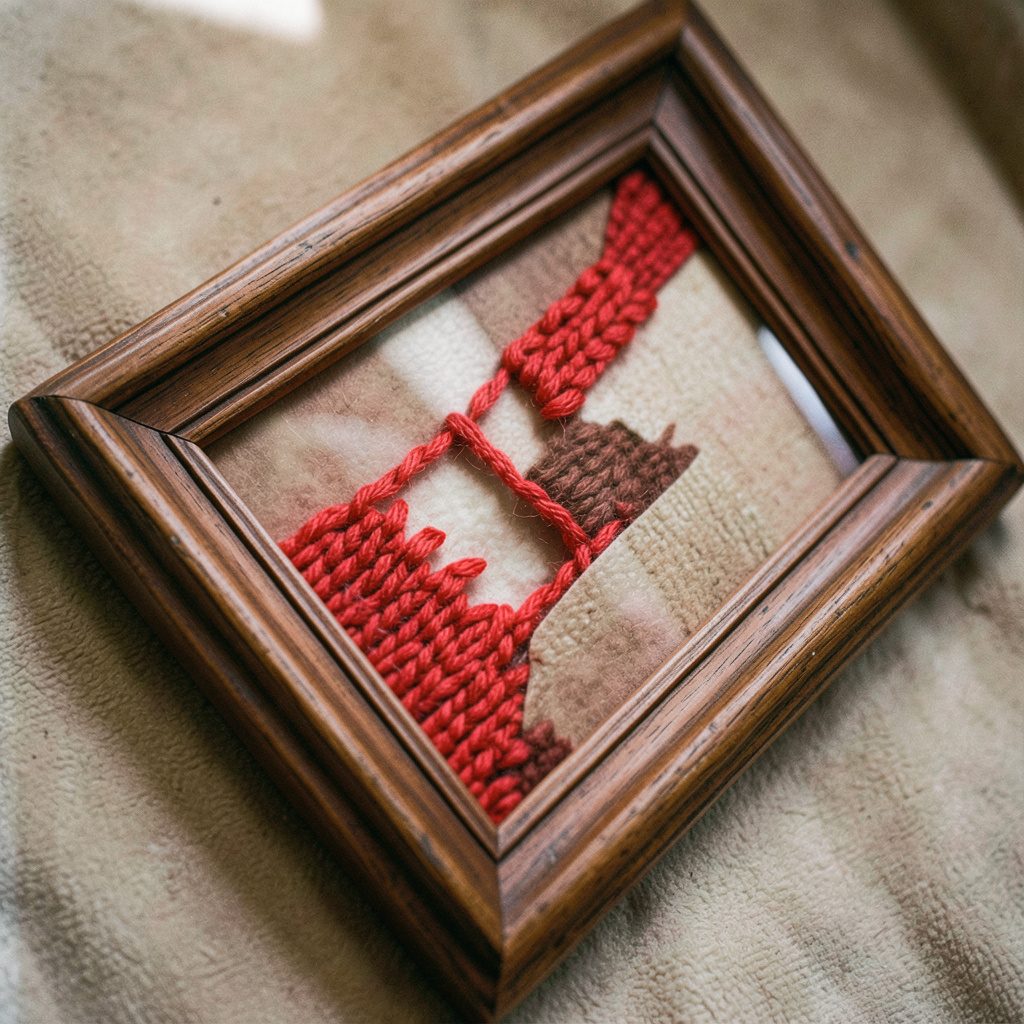
Framed Diagonal Cashmere
A layered box stitch that combines diagonal cashmere rows with a framing outline, creating a rich woven appearance.
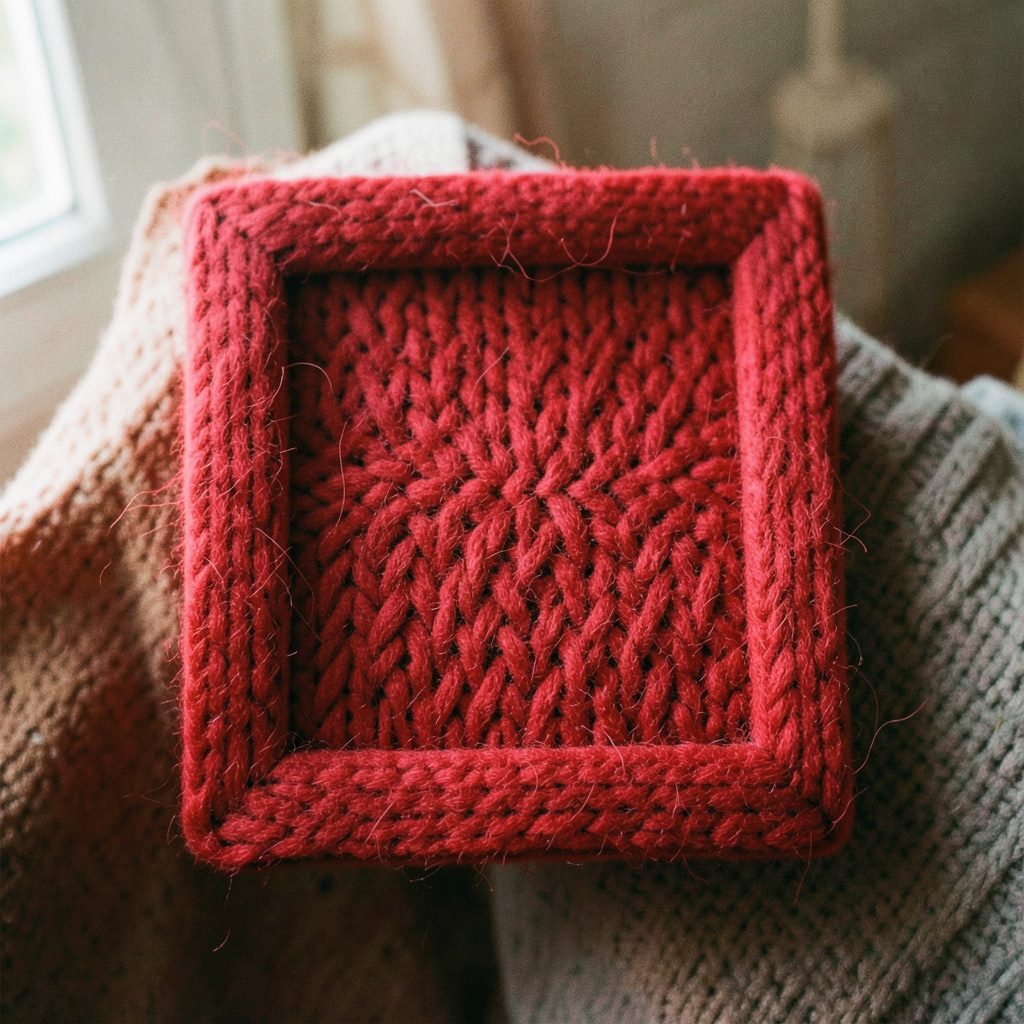
Framed Cashmere
A classic box stitch variation where each cashmere block is outlined, giving structure and definition to filled areas.
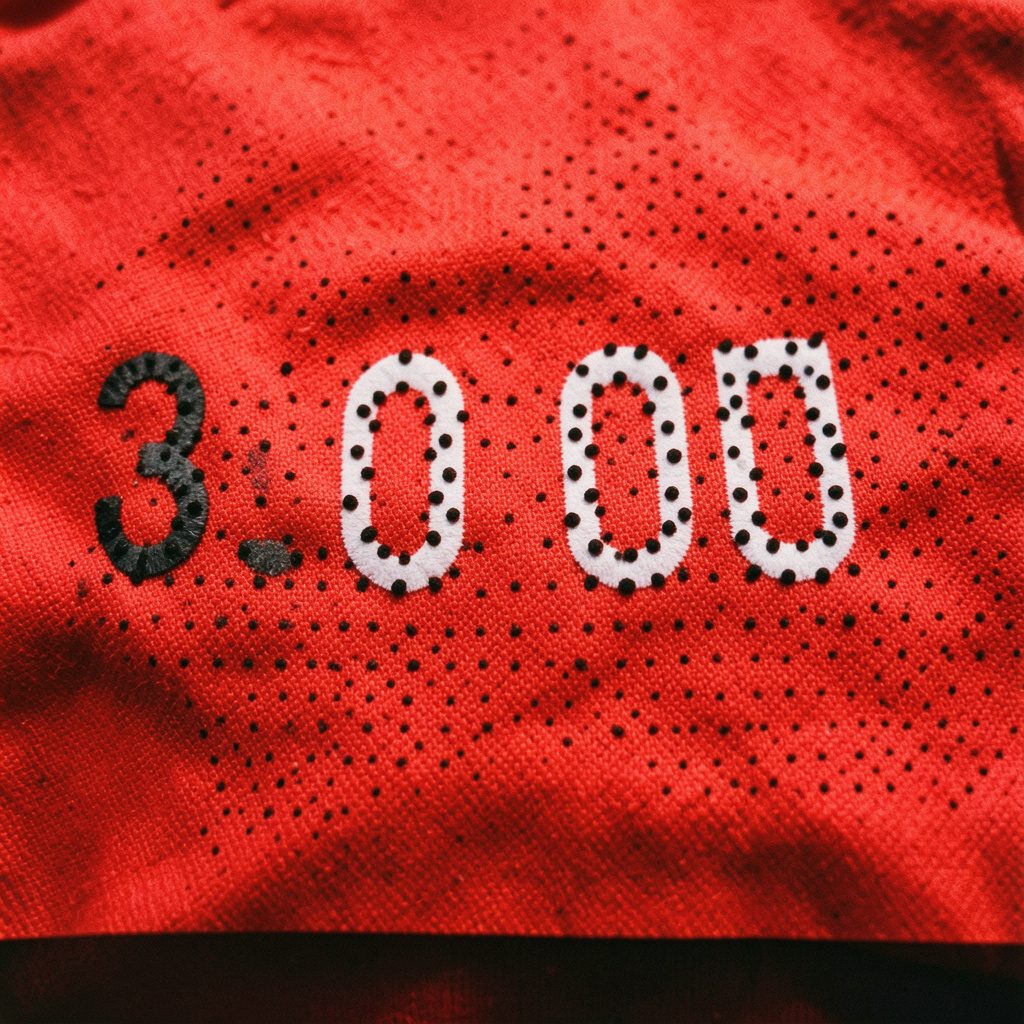
Dotted Scotch
A scotch stitch variant with a contrasting central dot in each square, adding a delicate decorative touch.
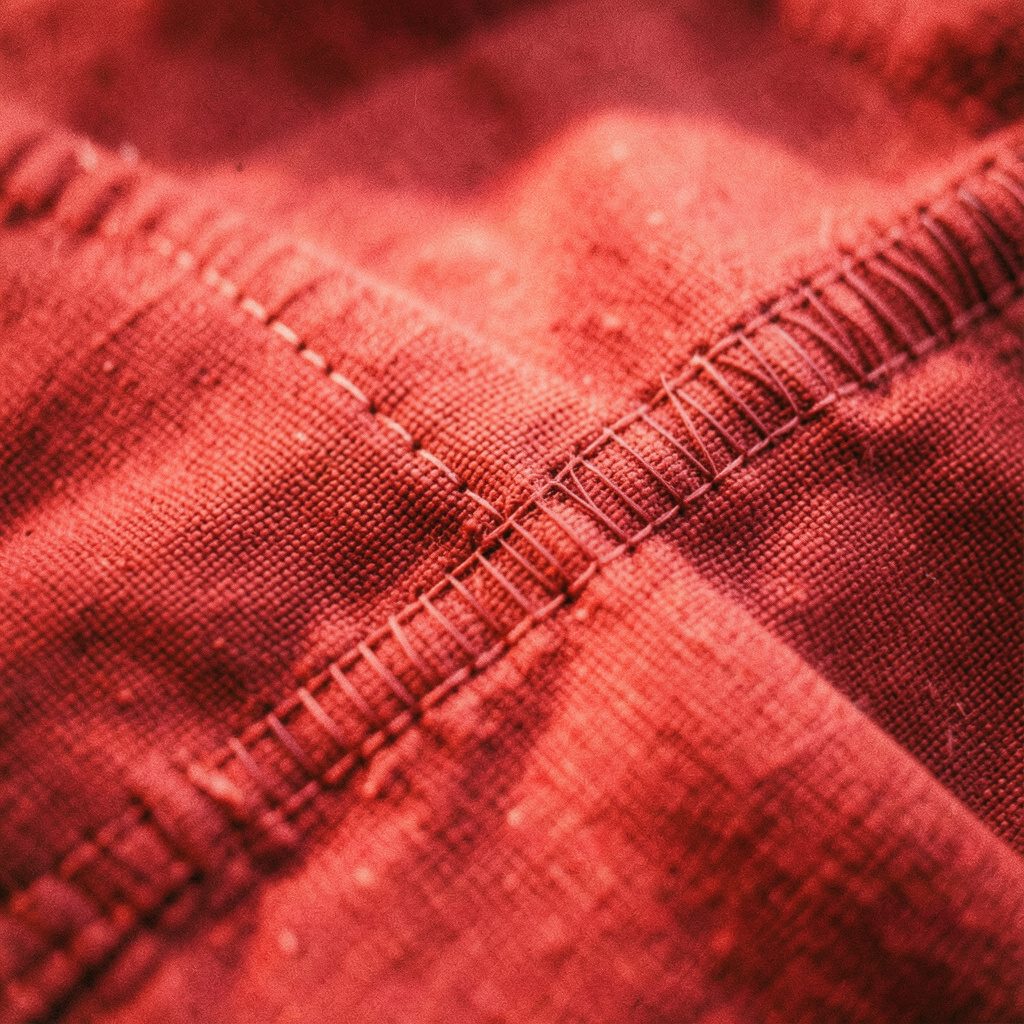
Encroaching Oblique
Oblique stitches that encroach into adjacent squares, producing a dense, interlocking box pattern.
Irregular Continental
A box stitch built on continental stitch principles but with intentionally varied lengths for a textured, organic look.
Triangle Ray
Triangular rays arranged within square units, creating a striking geometric box stitch ideal for borders and accents.
Explore More Stitch Types
Box stitches are one of 12 stitch categories in our needlepoint library. Browse the full collection:
Box stitches are among the most reliable techniques in needlepoint, prized for their clean geometry and predictable coverage. Each stitch is built from square or rectangular units that lock together neatly, creating a uniform surface that works beautifully for both large background fills and smaller accent areas. Beginners often find box stitches especially satisfying because the repeating pattern builds quickly and the rhythm becomes meditative after just a few rows. The structured nature of these stitches also makes them ideal for charted designs, where each square on the graph corresponds to a single stitch unit. With practice, stitchers develop a natural sense for how thread tension affects the final appearance of each box.
The versatility of box stitches extends far beyond simple filling work. Many variations introduce subtle texture through staggered placement, diagonal lines within the square units, or alternating thread colors that create checkerboard effects. Some box stitches incorporate tied elements that add a raised, dimensional quality to the surface, while others remain flat and smooth for a more traditional look. This flexibility allows needleworkers to combine different box stitch types within a single project, using one variation for the main field and another for borders or focal points. The result is a cohesive design that gains visual interest without requiring complex stitching techniques.
Proper thread selection enhances the performance of box stitches significantly. Smooth, tightly twisted threads tend to show the geometric structure most clearly, while softer or more textured fibers soften the edges of each unit for a gentler appearance. The stitch count and thread weight should be matched carefully to the canvas mesh size to ensure full coverage without distortion. Many experienced stitchers recommend sampling a small area before committing to a large section, as this allows you to see how the thread behaves with your chosen box stitch variation. This simple practice prevents the frustration of discovering coverage issues midway through a project.
Box stitches also serve as excellent practice for developing consistent tension across a needlepoint canvas. Because each unit is self-contained, any unevenness in tension becomes immediately visible, making it easy to identify and correct habits early in the learning process. The repetitive nature of these stitches encourages a steady, even hand that benefits all other needlepoint techniques. For those who enjoy working with charted patterns, box stitches translate directly from graph paper to canvas with minimal guesswork. This direct mapping reduces errors and helps stitchers feel confident in their progress, especially when working on large-scale projects that require sustained attention over many sessions.
Beyond their practical advantages, box stitches offer a rich history within the broader needlework tradition. Variations of square-based stitches appear in countless cultural needlepoint and embroidery styles, adapted to local materials and design preferences over generations. Modern needleworkers continue to explore new interpretations, combining traditional box stitch forms with contemporary color palettes and thread types. The enduring appeal of these stitches lies in their balance of simplicity and sophistication: easy enough for a beginner to master, yet deep enough to reward years of exploration. Whether used in cushion covers, eyeglass cases, or decorative wall hangings, box stitches remain a trusted foundation in the needleworker's repertoire.