46 Diagonal Stitches
Diagonal stitches bring movement and texture to needlepoint projects. This guide collects 46 variations, each with clear visual references and instructional notes to help you expand your stitch repertoire.
About Diagonal Stitches
Diagonal stitches are worked at an angle across the canvas threads, creating slanted lines and dynamic surface effects. They are useful for shading, filling backgrounds, and adding directional emphasis to a design. The 46 variations gathered here range from basic tent-stitch relatives to more elaborate compound stitches.
Featured Diagonal Stitch Variations
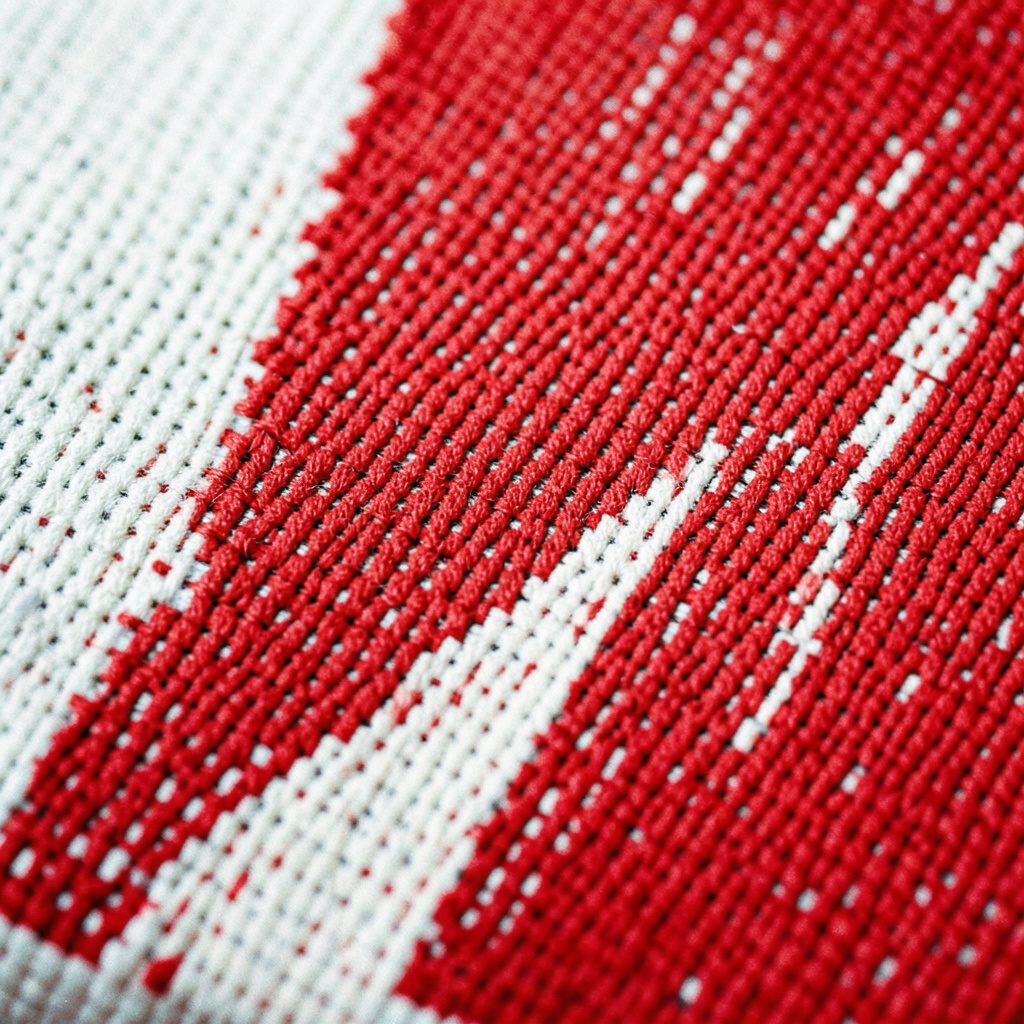
Diagonal Stitch Sampler
A broad overview of diagonal stitch families, including tent, basketweave, and related slanted stitches.
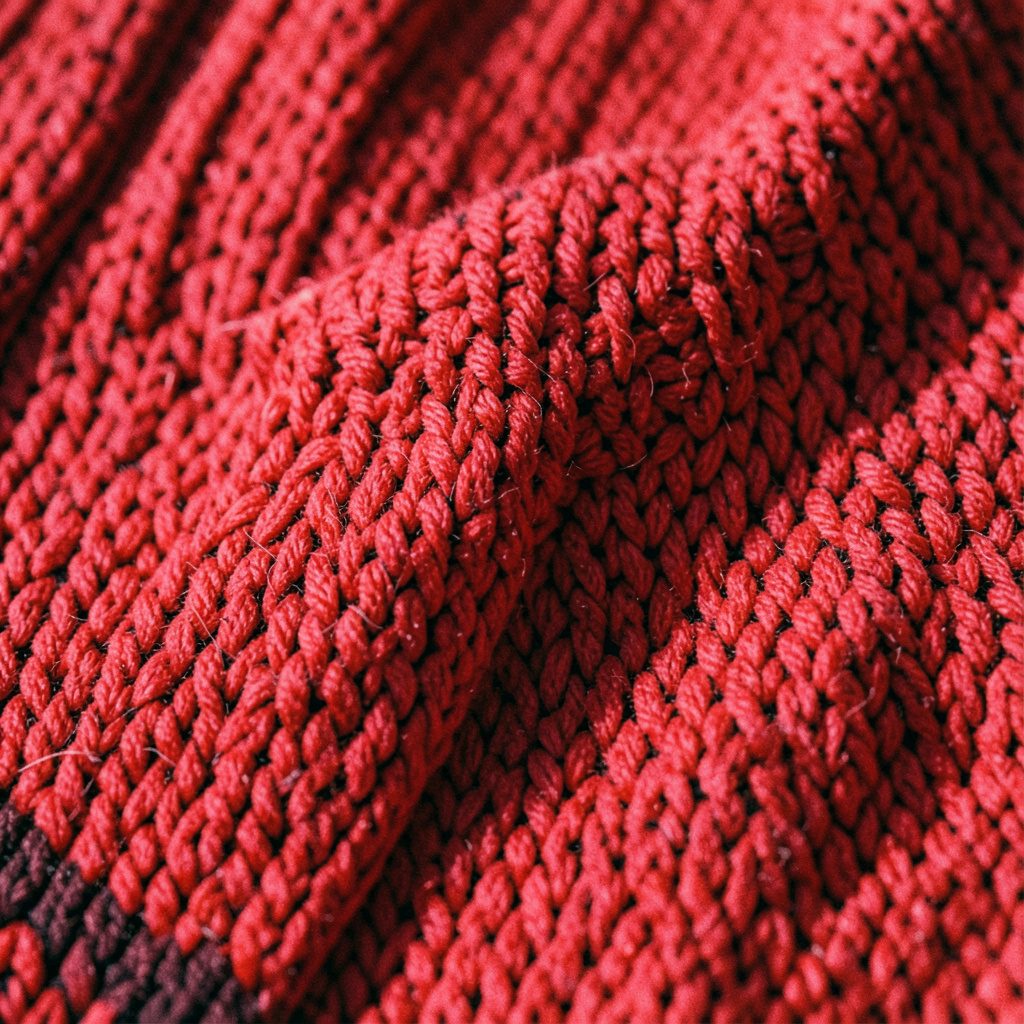
Irregular Continental Stitch
A versatile diagonal stitch that adapts well to shaped areas and curved outlines.
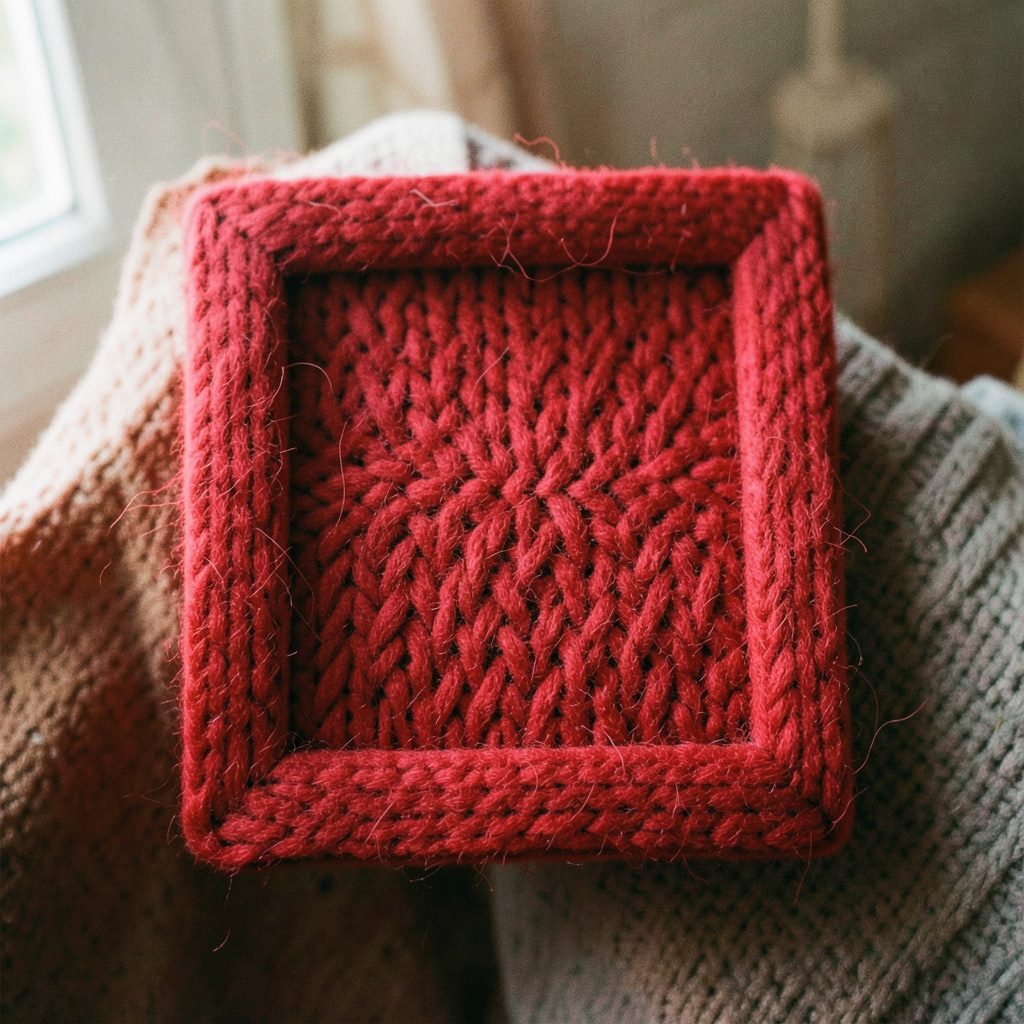
Framed Cashmere Stitch
A structured diagonal stitch that creates a framed, stepped pattern ideal for borders and geometric fills.
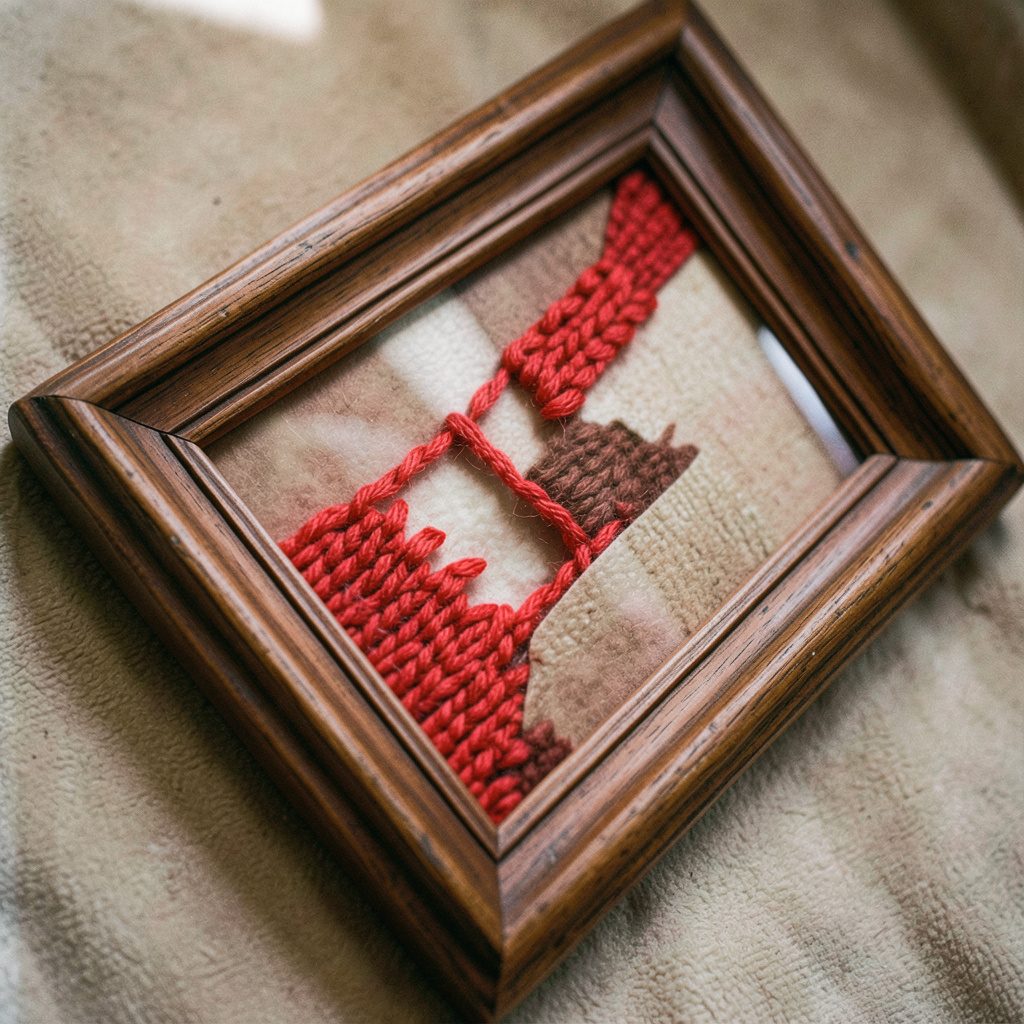
Framed Diagonal Cashmere Stitch
Combines the richness of cashmere stitch with a pronounced diagonal framing for added depth.
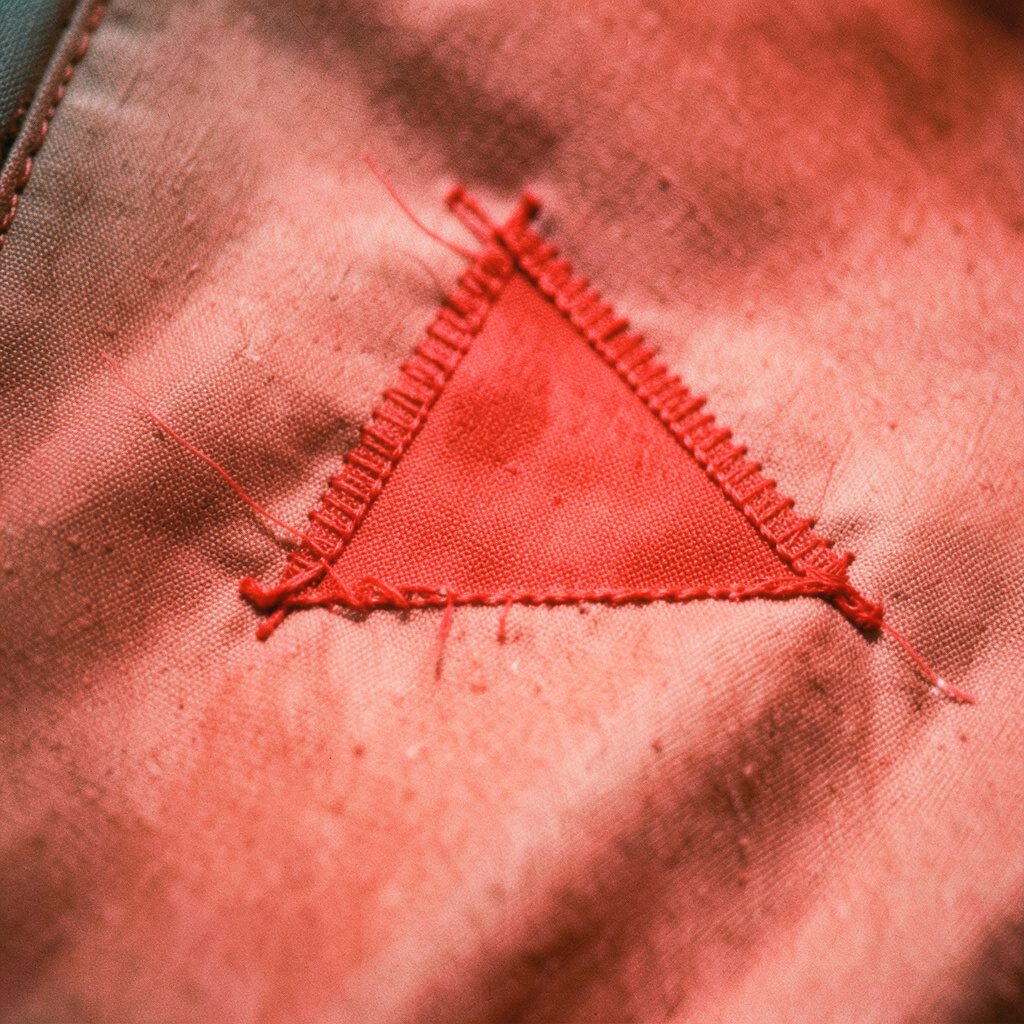
Triangle Ray Stitch
A fan-like diagonal stitch that radiates from a point, useful for sunburst motifs and decorative accents.
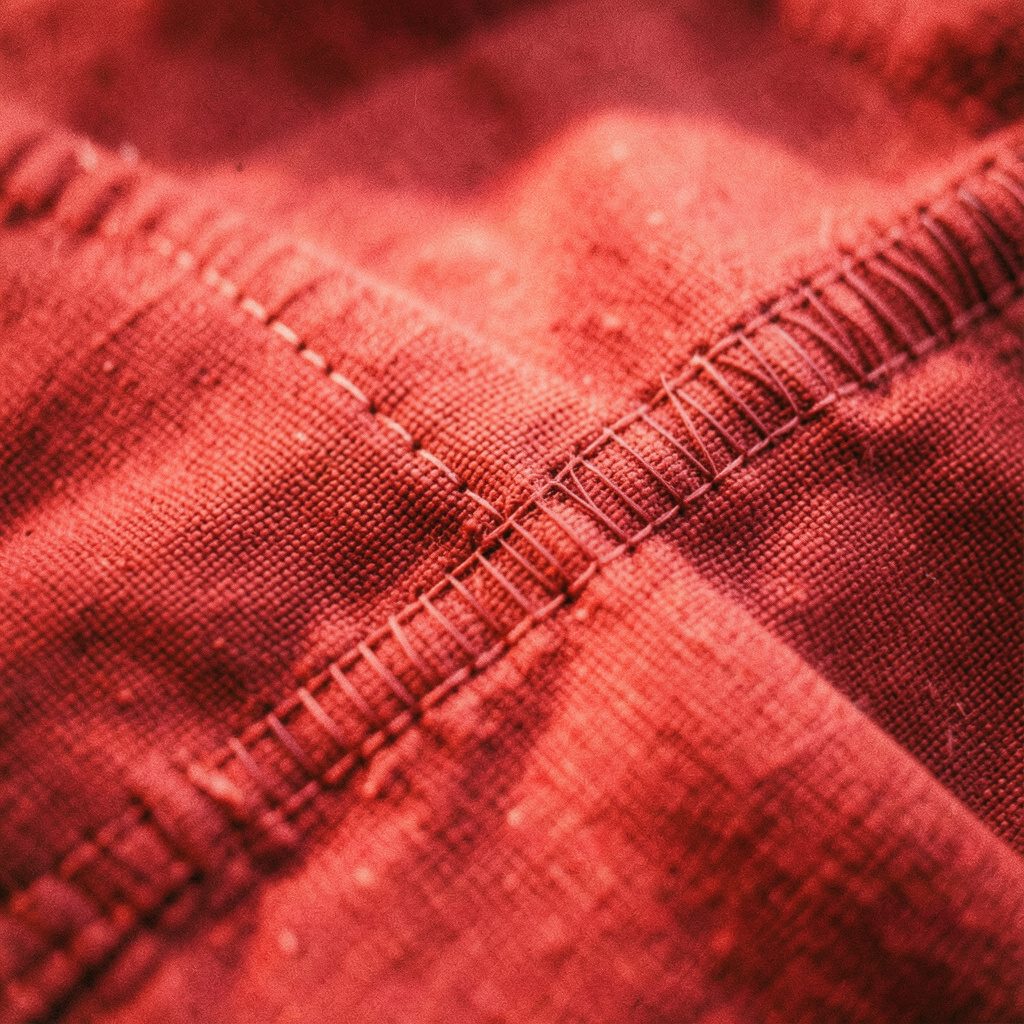
Encroaching Oblique Stitch
A tightly packed diagonal stitch where rows overlap slightly, producing a dense, durable surface.
Using Diagonal Stitches in Your Projects
Diagonal stitches work well for backgrounds, clothing folds, and any area where you want to suggest motion or flow. They can be combined with straight and cross stitches to create contrast and visual interest. Experiment with thread weight and color to see how each variation behaves on different canvas counts.
Diagonal stitches are a fundamental category in needlework, offering stitchers a way to introduce dynamic angles and visual flow to their projects. Unlike straight stitches that sit parallel to the canvas grid, diagonal stitches cross the intersections of the warp and weft threads, creating slanted lines that catch light differently and add depth. These stitches are particularly useful for shading areas, defining shapes, or creating textured backgrounds that make a design feel alive. Many needlepoint patterns rely on diagonal variations to suggest movement, such as the ripple of water or the curve of a leaf. Mastering even a handful of these techniques opens up creative possibilities and helps stitchers achieve more satisfying, professional-looking results in their work.
Building a personal reference collection of diagonal stitches is a practical step for any needleworker looking to expand their skills. Each variation has its own character, from the tightly packed coverage of basic tent stitches to the open, airy patterns of more complex compound stitches. Some diagonal stitches work beautifully as all-over fills, while others serve best as accent rows or borders within a larger composition. By practicing different diagonal techniques on small swatches, stitchers can see how thread tension, fiber type, and canvas mesh size affect the final appearance. This hands-on exploration builds confidence and equips you with a versatile toolkit for tackling a wide range of needlepoint projects with ease.