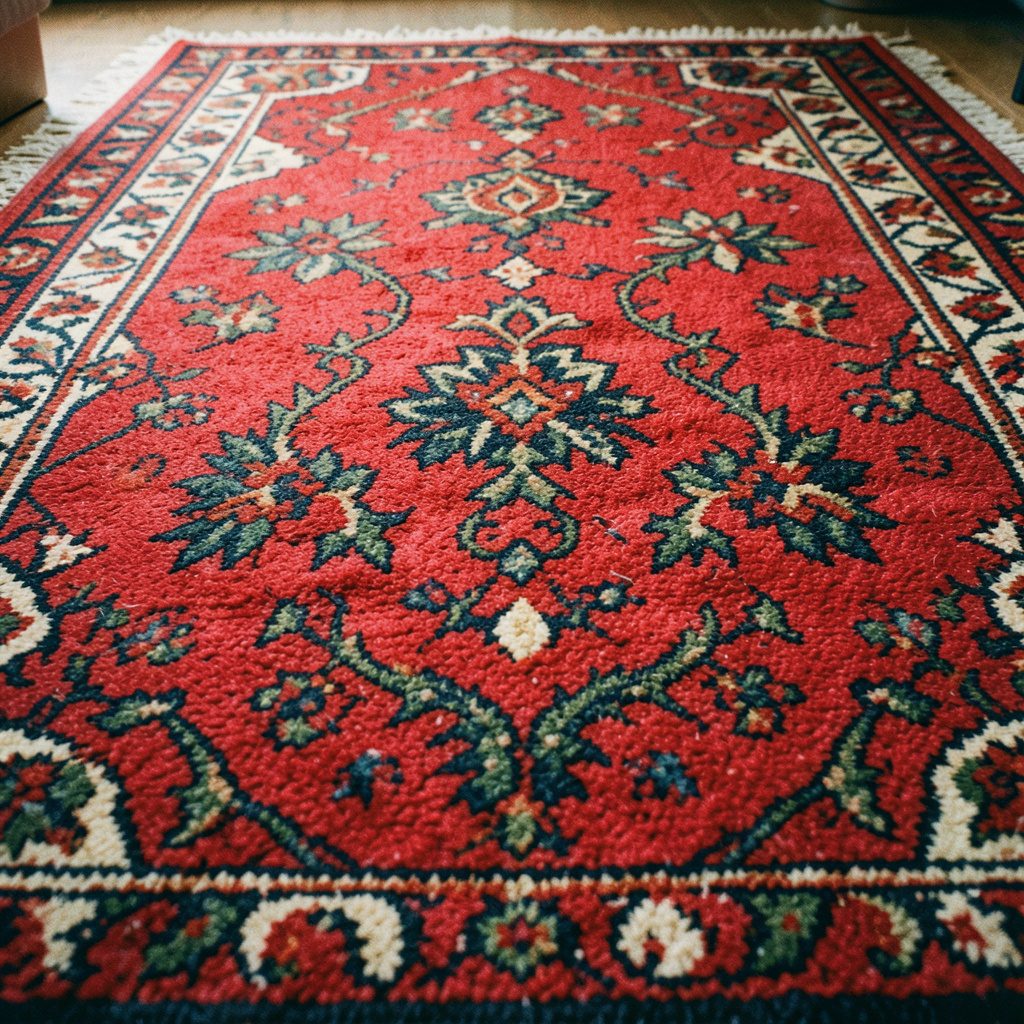
Repurposing Old Tablecloths for Embroidery Fabric
An old tablecloth can become a surprisingly useful source of embroidery fabric. Cotton damask, linen, cotton-linen blends and tightly woven household cloths often have enough body for hand stitching, while their existing borders, checks or woven motifs can add character to a new project. Instead of treating a stained or outdated cloth as rubbish, inspect it for clean sections that could support needlepoint, cross-stitch or surface embroidery.
This approach is especially appealing when you want an inexpensive fabric with a history. A cloth from a family dinner, an op-shop find in Melbourne or a faded piece picked up at a Brisbane weekend market may bring texture and memory to a cushion, wall hanging, needle case or eyeglass case. The important step is matching the cloth’s weave and condition to the type of stitching you plan to do.
Old household textiles do need careful preparation. Food marks, weakened threads, sun damage and decorative finishes can affect how the needle passes through the material. A little testing before cutting will help prevent disappointment and make the repurposed fabric easier to use.
| Tablecloth material | Best suited to | Advantages | Points to check |
|---|---|---|---|
| Linen | Embroidery, pulled thread, small decorative panels | Natural texture and good stitch definition | May fray or have weak sun-exposed areas |
| Plain cotton | Cross-stitch, crewel work, appliqué | Easy to wash, cut and handle | Very soft cloth may need backing |
| Cotton-linen blend | General embroidery and cushions | Balanced strength and texture | Weave can vary across the cloth |
| Damask or jacquard | Surface embroidery and feature panels | Woven pattern adds visual interest | Raised areas can obscure fine stitches |
| Open-weave cloth | Bold embroidery and visible mending | Needle passes easily through gaps | Unsuitable for tiny detailed designs |
Assessing the cloth before cutting
Begin by spreading the tablecloth in good daylight. Look for thinning near the centre, frayed hems, rust marks, grease, mildew and areas bleached by an Australian window or outdoor table. Hold the fabric up to the light; weak patches usually appear as uneven transparent areas. A cloth that looks sound on the surface may still split when stretched in a hoop.
Check the weave by gently pulling the fabric in both directions. If the threads shift dramatically or the material develops a hole after light pressure, reserve it for a small panel rather than a large cushion front. For counted work, such as cross-stitch, an even and regular weave is helpful. For free embroidery, an irregular linen texture can be attractive and forgiving.
Measure the usable area only after washing and pressing. Older textiles may shrink, particularly if they have not been laundered for years. Keep the original hem when it is strong, since it can become a neat edge for a bookmark, needle book or small hanging. Woven borders can frame a design instead of being hidden in the seam allowance.
Washing, drying and stabilising vintage fabric
Wash a sample first, especially if the cloth has coloured stripes, embroidery or an unknown finish. Use cool water and a mild detergent, then rinse thoroughly. Avoid chlorine bleach, which can damage natural fibres and leave a weak, yellowed patch. For an inherited textile, hand washing in a clean tub is safer than placing it straight into a modern machine cycle.
Lay the fabric flat to dry away from harsh direct sun. This matters in Australia, where strong UV can fade printed patterns and weaken linen left on a Hills Hoist or outdoor line. Press the cloth while it is slightly damp, using a pressing cloth if the surface is textured. Do not iron over stains in the hope that heat will remove them; heat can set them permanently.
A lightweight backing can turn a soft tablecloth into manageable embroidery fabric. Cotton voile, calico or lightweight interfacing may work, depending on the project. Baste the layers rather than relying immediately on fusible adhesive, as some vintage cloths react badly to heat. For counted designs, make sure the backing does not hide the weave or make the needle difficult to push through.
Choosing stitches and patterns for the weave
The cloth’s structure should guide the design. Plain woven cotton is suitable for satin stitch, stem stitch, chain stitch, lazy daisy and simple appliqué. Linen supports botanical motifs, monograms and geometric borders. A loose weave suits bold running stitch, darning and visible mending better than tiny counted motifs, while damask can provide a quiet background for outlines and scattered French knots.
If the old cloth has a built-in border, place the embroidery so that the existing pattern becomes part of the composition. A narrow floral edge can decorate a cushion flap, and a central medallion can frame a stitched quotation or a small needlepoint panel. Test the design on a scrap first, particularly when using dense satin stitch that may pull the fabric out of shape.
For needlepoint-inspired work, browse copyright-free pattern books for motifs that can be adapted to a repurposed textile. Public-domain florals, geometric ornaments and historical borders are often easier to resize than highly detailed modern charts. Make sure the source really permits reuse, especially if the finished item may be displayed or given as a present.
Cutting, hooping and preventing distortion
Mark the cutting lines with tailor’s chalk or removable fabric pen from the wrong side. Add enough allowance for the finished object, then cut with sharp scissors. If the cloth frays quickly, stay-stitch just inside the cutting line or apply a narrow line of washable fabric glue to the edge. Avoid cutting through a valuable woven border until you have planned the full layout.
A hoop can leave marks in old linen, so remove the fabric when you are not stitching. If the material is fragile, place a layer of tissue or cotton between the hoop and the cloth, or use a frame that supports the fabric without excessive tension. The aim is to keep the surface smooth rather than drum-tight.
Keep the thread tension moderate. Pulling firmly can enlarge holes in a loose weave and create puckering in a soft cotton. For diagonal needlepoint effects on a sturdy section, the diagonal stitches guide can help you compare directions and coverage before committing to a larger area. Work from the centre outward when possible, checking regularly that the grain remains straight.
Turning embroidered cloth into useful projects
Repurposed tablecloth fabric works well for items that benefit from a personal, slightly irregular finish. A small embroidered section can become the front of an eyeglass case, a pocket on a project bag, a needle book cover or a panel on a cushion. If the cloth has a worn centre but sound edges, cut the best sections into patchwork squares or narrow strips for fabric bookmarks.
For a cushion, place the strongest part of the tablecloth where it will receive the least friction, and reinforce the back with a separate cotton lining. A frequently used seat cushion needs more robust fabric than a decorative pillow. In homes around Sydney, Perth or Adelaide, sun-facing rooms can fade exposed embroidery quickly, so display delicate work away from strong afternoon light.
The same principle applies to Australian craft markets and local gift-giving customs. A stitched panel made from a relative’s tablecloth can become a thoughtful housewarming gift, while a small repaired textile may suit a stall at a community market or an autumn school fundraiser. Washable cotton is practical for these uses, particularly where the finished item may encounter children, pets or outdoor entertaining.
Keep leftover strips and corners in labelled envelopes. They can later serve as needle cushions, patching material, appliqué shapes or thread-testing pieces. For broader stitch references, project ideas and charted resources, the Needlework Guide resource collection offers a useful place to compare techniques before starting another salvaged-fabric project. With careful selection and gentle preparation, an old tablecloth can support many new stitches while retaining traces of its original household life.