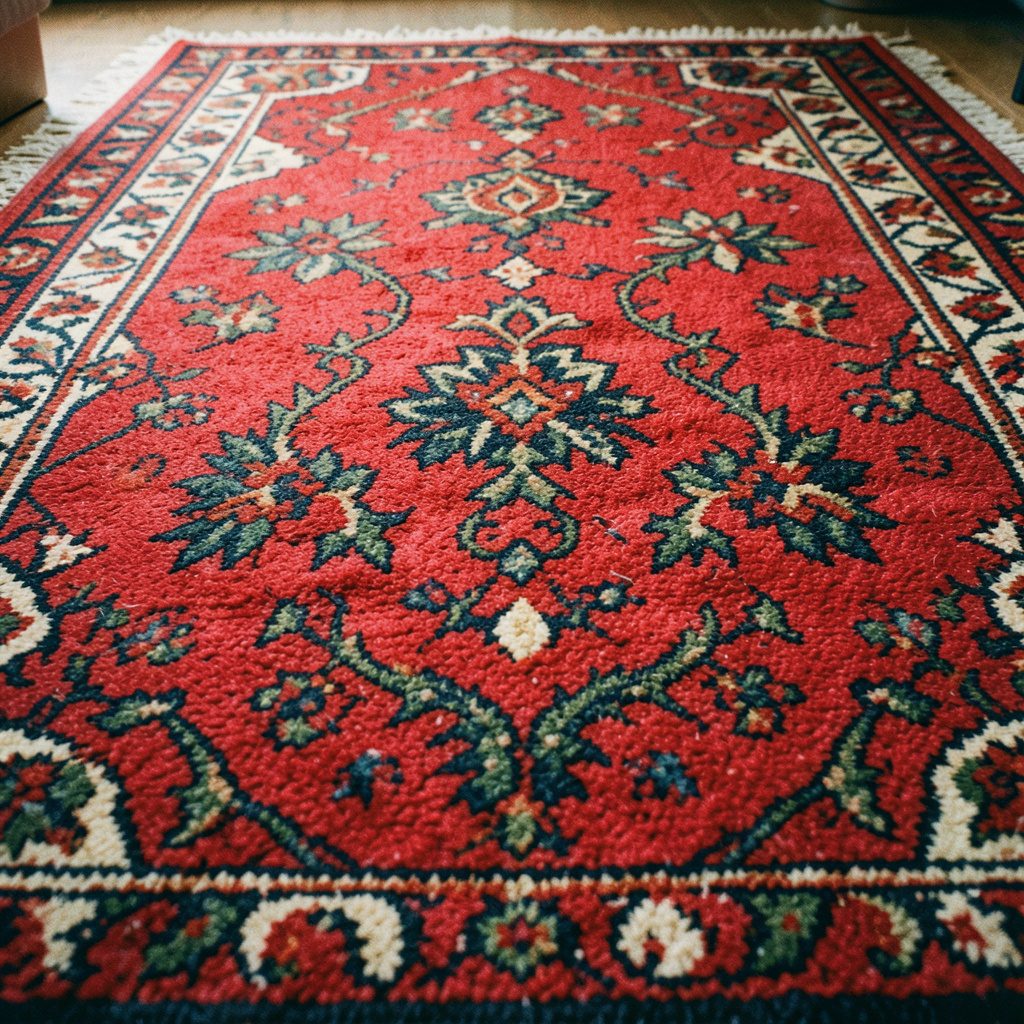
Where to find public domain crochet pattern books from the 1940s
Vintage crochet pattern books offer more than decorative nostalgia. Their charts, stitch directions, and practical project notes can help a maker interpret a historical design, repair an heirloom, or create a faithful modern version without starting from a blank page. The 1940s editions are especially appealing because many combine lace motifs, edging patterns, table runners, and household accessories with clear diagrams and yarn recommendations. Learn more about About.
Finding public-domain copies is usually easier than proving that a particular edition may be copied. A scan hosted by a library is not automatically free of restrictions, and a book printed in the 1940s is not automatically outside copyright. Search by title, creator, publisher, and catalogue record, then check the rights information for the edition you actually found. Learn more about Understanding Different Types Of Knitting Needles And Their Uses.
For Australian readers, the most productive route is to combine digital archives with local collections and knowledge of Australian publishing. A pattern book may appear under “crochet”, “handwork”, “wool crafts”, or “needlework”, while its diagrams use terminology that predates current craft books. Search records from Canberra, Melbourne, and Sydney can also expose editions missing from commercial bookshops, so a systematic search is worthwhile.
Copyright status starts with the work not the date
Copyright status starts with the work, not the date printed on its title page. In Australia, literary works are generally protected for the author’s life plus 70 years, with special rules for anonymous, pseudonymous, Crown, and unpublished material. A creator who died in 1955 or earlier may therefore have left a 1940s book whose Australian copyright has expired, but authorship details and the date of first publication still matter.
Foreign editions can carry different terms, and later reprints may include revisions or new artwork even when the underlying text is old. Read any copyright page, note the publisher and edition, and distinguish a true public-domain work from a modern reprint. Libraries sometimes digitise an item for access without granting reproduction rights; the catalogue label should be checked rather than assumed.
Australian and overseas collections
Australian catalogues are the best starting point. Trove, operated by the National Library of Australia, records Australian publications and leads to digitised material, while the National Library’s own catalogue in Canberra is valuable for provenance and edition details. State Library Victoria in Melbourne and other state libraries also hold needlework collections. For a concise explanation of how Needlework Guide handles its own resources, see its [about Needlework Guide] page.
International repositories widen the search considerably. Internet Archive, Project Gutenberg, HathiTrust, and the New York Public Library Digital Collections contain books with public-domain scans, although subject filters and catalogue terminology can be inconsistent. A “print-disabled” Internet Archive record may represent lending or access controls rather than a copyright claim, so read the item details before assuming availability.
Search results from overseas repositories can also lead back to Australian editions through WorldCat or library catalogues. The goal is not simply to collect many PDFs; it is to compare the scan with a dependable edition record and establish whether the specific images may be reused.
How to inspect a promising scan
Start with a complete scan, not a handful of search-result thumbnails. Page numbering, colour keys, symbols, and stitch charts should all be visible because OCR text often fails to capture the essential drawings. Save the original PDF or image files where possible, and record the catalogue identifier rather than relying only on a temporary viewer link.
Next, check whether the book is complete and whether its contents have been rearranged or re-typeset. Some wartime and post-war editions reuse illustrations from an earlier publication, and a later issue may have a different title page or pattern numbering. The title-page year, preface, publisher address, and last illustration are useful fixed points for checking an unfamiliar copy.
Image quality matters when a motif depends on exact colour placement or a border turns on one hidden loop. Compare a scan with the catalogue thumbnail, then enlarge the stitch diagrams on screen. If a chart is blurred, test its logic against a later edition of the same pattern rather than guessing from an illegible reproduction.
Search terms that reveal obscure books
Effective catalogue searching requires older vocabulary. Try combinations of “crochet book”, “crochet designs”, “lace patterns”, “household crafts”, “needlework”, “wool work”, and “handicraft”, together with the likely decade, author, or publisher. British spellings such as “favour” or “colour” can affect results, and works catalogued as embroidery may contain crochet charts without using the word crochet in their title.
Once a title appears, explore “related items”, “all editions”, and the bibliography rather than stopping at the first result. The Internet Archive and HathiTrust are particularly useful for checking whether a book was issued in several forms, while Trove can reveal Australian printers or local reprints not shown in overseas lists. Searching only for a modern PDF often misses scans with OCR spelling and no descriptive subject tags.
Convert vintage instructions into workable projects
Older Australian books often follow British craft terminology. For example, “double crochet” in a period source may mean what another tradition calls single crochet, so abbreviations must be checked before a swatch is cast on. Convert inch measurements to metric, but leave hook sizes and stitch counts alone unless the finished size must match exactly. A modern gauge check is more reliable than assuming a vintage tension.
Contemporary yarn also behaves differently from the cotton or wool specified in 1940s. Test the named yarn first, then compare it with firm cotton or suitable 8-ply wool from Bendigo Woollen Mills. Australian makers buying at Spotlight, independent yarn stores, charity shops, or weekend markets in Melbourne, Sydney, and Adelaide will find many modern blends but few exact vintage matches. Fibre content and hook size matter more than a colour name printed decades ago.
If a volume mixes crochet and knitting, its equipment key may mention straight, circular, or double-pointed tools. An illustrated guide to [types of knitting needles] can help identify those references before choosing substitutes. Keep the original hook for the first sample, note every substitution, and compare the edging against the finished object rather than judging it only by stitch count.
A dependable method for choosing and using old crochet books
A dependable search ends with a record, not a download. For each usable scan, note the creator, title, publisher, edition, first publication year, and the source used for the rights assessment. Comparing several records is especially important when a marketplace listing mixes the cover of one edition with pages from another.
Before beginning a project, make a small gauge and motif sample, confirm the hook and yarn, and translate any ambiguous abbreviations. Public-domain status permits use of the qualifying work, but attribution is still good practice, and edits should be recorded for future makers.
- Confirm copyright status by checking Australian rules, author and publication dates, and edition-specific rights.
- Use a complete scan in which charts, symbols, captions, and page numbers are present and legible.
- Record the edition and preserve catalogue details so later readers can find the same source.
- Decode old terminology by comparing British, Australian, and modern names before counting stitches.
- Test the materials by checking gauge, hook size, fibre, and drape before adapting a full piece.
- Credit the source by naming the author and publisher while noting corrections and yarn choices.
The result is a pattern that can be traced to a genuine historical source rather than an unexplained scan, with practical changes documented and the original design still recognisable.