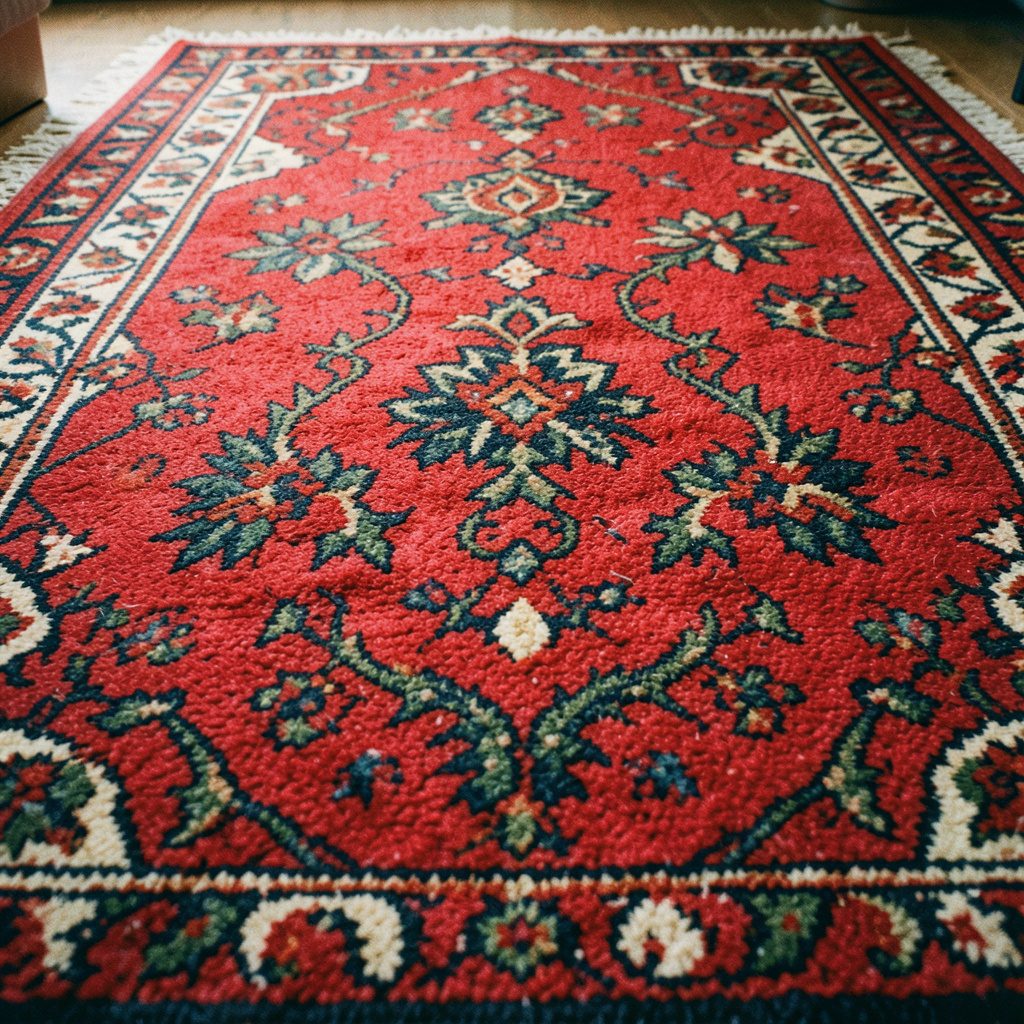
Knitting a simple cowl in the round with bulky yarn
A cowl is an ideal first circular knit: it is a tube, needs no shoulder seams, and can be finished in a long weekend. Work it in bulky yarn and every round takes minutes rather than hours, which keeps the project forgiving for anyone still learning to hold circular needles.
Knitting in the round produces one continuous spiral of stitches with no row ends to turn and no side seams to match. With a heavy 8- or 10-ply wool the fabric grows quickly into a dense, soft band that sits around the neck without any shaping at all.
Needlework Guide keeps copyright-free charts, stitch guides and pattern collections for knitting, crochet, embroidery and cross-stitch, so a colourwork cowl chart or the definition of a moss stitch can be checked before any yarn is cast on.
What follows is the route from choosing yarn to casting off, with attention to Australian summers, the local wool trade and the small errors that derail a first tube knit.
Why a cowl suits bulky yarn and a round knit
The cowl comes from the monastic hood and survives because it solves one problem: keeping the neck warm without the bulk of a jumper. Modern versions are worked as a tube from the neck upwards, sometimes a short funnel resting on the shoulders, sometimes a long one pulled over the head like a hood.
Bulky yarn suits that shape because there are no decreases, no armholes and no set-in sleeves. A gauge a stitch or two out changes the circumference slightly and nothing else, so a first attempt is hard to ruin. Heavy yarn also means fewer rounds, with a 50 cm cowl in 10-ply wool taking roughly 30 to 40 rounds.
The quiet advantage is that a round knit needs no pattern pieces and no side seam, so the project lives in a bag with one set of needles, one ball of yarn and a marker, ready for the ten minutes before bed.
Choosing bulky yarn and needles on the Australian market
Australian wool is sold by ply, so look for 8-, 10- or 12-ply skeins rather than a weight name. Domestic mills supply most of the bulky end of the market: Bendigo Wool from Victoria, Mitchell's Woollen Mill at Albury in New South Wales, Panda Wool in Brisbane, and house brands stocked by Woolsworths and Spotlight in Melbourne, Sydney, Adelaide, Canberra and Hobart. Independent wool shops, including Sockwool in Brunswick, keep the same yarn on the shelf year round.
A 100 g ball of bulky wool generally makes two short cowls or one generous hooded one, and prices tend to sit between $12 and $20 in Australian craft stores. Read the band before buying, because it lists ply, metreage, needle size and whether the yarn is right-handed or left-handed, an Australian convention that matters once the yarn is twisted around your fingers.
Shopping strips often put a wool counter beside a newsagency selling scratch-its and keno slips, which is worth remembering, since a ball of wool lasts a season and a lottery ticket does not. The Needlework Guide review of the keno three-spot payout shows how quickly those odds thin out, and the money is better spent at the yarn counter.
Labels deserve a second look too: claims such as made in Australia have to be substantiated under Australian Consumer Law guidance, and the ACCC has been active on country-of-origin labelling for years.
Casting on and joining the round
Cast on with the yarn and needles you intend to use, and size the band for ribbing, since a multiple of four suits 2x2 rib. Eighty stitches, or 20 repeats, are easy numbers to count, as are 100 stitches in 25 repeats. A firm cast-on keeps the edge from unraveling once the tube pulls on it.
Two methods are common. The magic loop splits the cast-on between two needles and needs only one pair of circular needles; it is quick, though the yarn ends can twist. Double-pointed needles keep the stitches on a short ring and feel steadier for beginners working with heavy yarn.
When the first and last stitch meet, work the first stitch again as the joining stitch. It tidies the edge and stops the tube flaring. Slide a marker through the join so the start of the round is easy to find, then pull the join gently, because a gap there is the one flaw that shows in a finished cowl.
Counting stitches and following a chart
Cowl charts usually run on short repeats of 8 to 20 stitches, and the pattern tells you to cast on a multiple of the repeat plus the ribbing. Add the rib count to the total and note it on the yarn band, because a miscounted cast-on is far harder to unpick later than it is to count twice before starting. Read the chart by round rather than by row, since on right-side rounds the symbols run from right to left and one chart row equals one full round of knitting. The stitch guides on Needlework Guide explain the common symbols, and the copyright-free charted patterns there suit a cowl as readily as a framed panel.
A marker and a row counter keep a long tube honest. Note the round number on a scrap of tape stuck to the yarn, or use a counter app that works offline. With bulky yarn, and with colourwork especially, counting in rounds matters because a dropped stitch can hide for several rounds inside a textured band.
Working the length and shaping the drape
Measure before casting off. A funnel cowl of 40 to 50 cm sits at the collarbone and looks best over a shirt or coat, while a 60 to 70 cm version can be pulled over the head as a hood and usually needs a third ball of yarn.
Texture does the shaping. Stockinette gives a smooth, fluid fall, garter stitch makes ridges that help a band hold its shape, 2x2 rib is springy and warm, and seed or moss stitch suits a hand-dyed skein. Keep rib at the lower edge for shape and finish with a rib or garter band at the top, then cast off loosely so the edge does not pucker. If the cowl will be worn over a coat, leave a few extra centimetres, since wool stretches with wear.
Washing, blocking and choosing a fibre for the climate
Wool washes well when it is handled gently, and care labels are worth reading: the ACCC has pushed retailers for clearer instructions on clothing, while yarn bands usually advise hand washing in cool water with a wool detergent. Avoid hot water and agitation, which felt the fibres together, and never wring a cowl. Squeeze it out and roll it in a towel.
Blocking sets the final drape. Pin the cowl to its measurements on a mat, dampen it with a wool-safe spray and dry it flat out of the sun. Melbourne summers are hot enough to shrink damp wool left in a window, so a rack indoors over a towel is safer, and coastal humidity in Sydney and Brisbane makes blocking overnight sensible.
Different bulky fibres respond very differently to that treatment, and the choice is worth making before the first round. The main options compare like this:
| Fibre | Warmth | Behaviour | Care notes |
|---|---|---|---|
| Merino-rich wool blend | High | Soft, springy, breathable | Hand wash cool, dry indoors |
| Pure Australian wool | Very high | Firm, durable, less elastic | Needs a full dry; suits cold, dry winters |
| Acrylic | Low to medium | Light, quick-drying, forgiving | Machine washable on a wool cycle; pills with age |
| Cotton and acrylic blend | Medium | Cool, crisp drape | Easy to wash, though it grows with wear |
| Alpaca blend | High | Silky, folds into soft drapes | Hand wash, dry flat; heavy blends stretch if hung |
Practical recommendations for a first cowl
A cowl earns a place in an evening routine quickly, growing a little each night while the kettle boils, and the knitting fills the gap that scrolling used to fill. Where a wind-down has drifted towards quick betting sessions instead, the Needlework Guide review of gambling self-exclusion in Australia examines the registers run by state and territory regulators and what they achieve when a player wants to stop.
A short list of choices separates a cowl finished in a fortnight from one left half-knit in a bag:
- Choose an 8- or 10-ply wool with 100 g or more in the ball, and buy two before starting so the yarn does not run out mid-body.
- Use 5 to 6 mm needles, about US 8 to 10, for a dense but draping fabric.
- Cast on a multiple of four for 2x2 rib, count twice, and join the round with the first stitch worked again.
- Work the rib band in the round, then the body in stockinette, garter or seed stitch, keeping the marker on the round's start.
- Measure the length every ten rounds rather than guessing, and leave extra centimetres if it will be worn over a coat.
- Weave in the ends inside the band, cast off loosely, then block and dry the cowl flat indoors, away from sunlight.
Those choices are unremarkable, and that is the point: the same round-knit method carries straight over to a beanie, a waistband or a market bag, so the practice is never wasted.