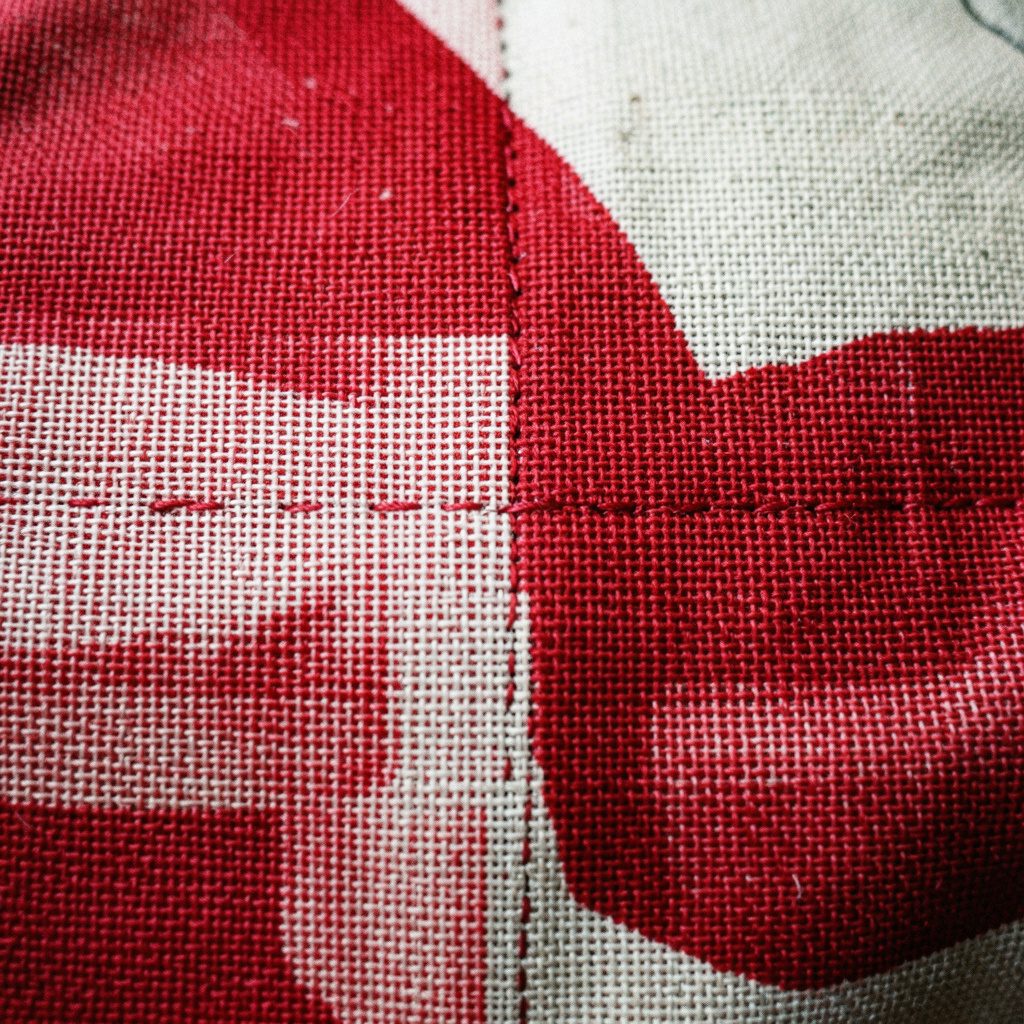
66 Straight Stitches
Straight stitches form the backbone of countless needlepoint projects. This guide brings together 66 variations — from simple running stitches to more elaborate arrangements — each with clear visual references to help you expand your stitch repertoire. Whether you're filling backgrounds, outlining shapes, or adding texture, there's a straight stitch variation here for the task.
Straight stitches are the most fundamental building blocks in needlepoint, yet their simplicity belies remarkable versatility. When you master the basic straight stitch, you unlock a world of pattern possibilities that can transform any project. These stitches are worked vertically, horizontally, or diagonally across the canvas, creating clean lines and smooth surfaces. Many needleworkers begin their journey with these essential techniques, practicing even tension and consistent spacing. The beauty of straight stitches lies in their adaptability; they can create dense, textured fills or delicate, airy outlines. By varying the length and placement of each stitch, you can achieve gradients, geometric patterns, and subtle shading effects that add depth and dimension to your work.
Understanding the relationship between stitch length and canvas thread count is crucial for successful straight stitch needlepoint. Longer stitches spanning multiple intersections create bold visual statements, while shorter stitches offer precision and control. The direction of your stitches also influences the final appearance, with vertical stitches lending height and formality, and horizontal stitches providing width and stability. Diagonal straight stitches introduce movement and can soften the rigid grid of the canvas. Experimenting with these variables allows you to develop a personal style while building confidence in your technique. Many experienced stitchers keep reference charts of straight stitch variations nearby for quick consultation during complex projects.
Among the sixty-six straight stitch variations available to needlepoint enthusiasts, several stand out as particularly useful for common design challenges. The running stitch offers a quick, rhythmic option for outlines and simple borders. The satin stitch creates smooth, lustrous surfaces ideal for filling larger areas with solid color. The backstitch provides crisp definition and is invaluable for adding fine details and lettering. The seed stitch introduces texture through scattered, irregularly placed stitches. Each variation serves a distinct purpose, and knowing when to apply each one can elevate your needlework from basic to beautiful. Building a repertoire of these techniques ensures you are prepared for any design that captures your interest.
Proper tension management is perhaps the most important skill to develop when working with straight stitches. Consistent tension prevents the canvas from distorting and ensures your finished piece lies flat and even. Practice on scrap canvas before beginning a major project, paying attention to how tightly you pull each stitch. The thread should lie smoothly against the canvas without puckering or leaving gaps. Wool and cotton threads behave differently, requiring adjustments in your technique. Taking time to establish good habits early will save you considerable frustration later. Many needlepoint guides recommend starting with simple straight stitch patterns to build muscle memory before progressing to more complex stitch combinations that require precise tension control.
Featured Straight Stitch Variations
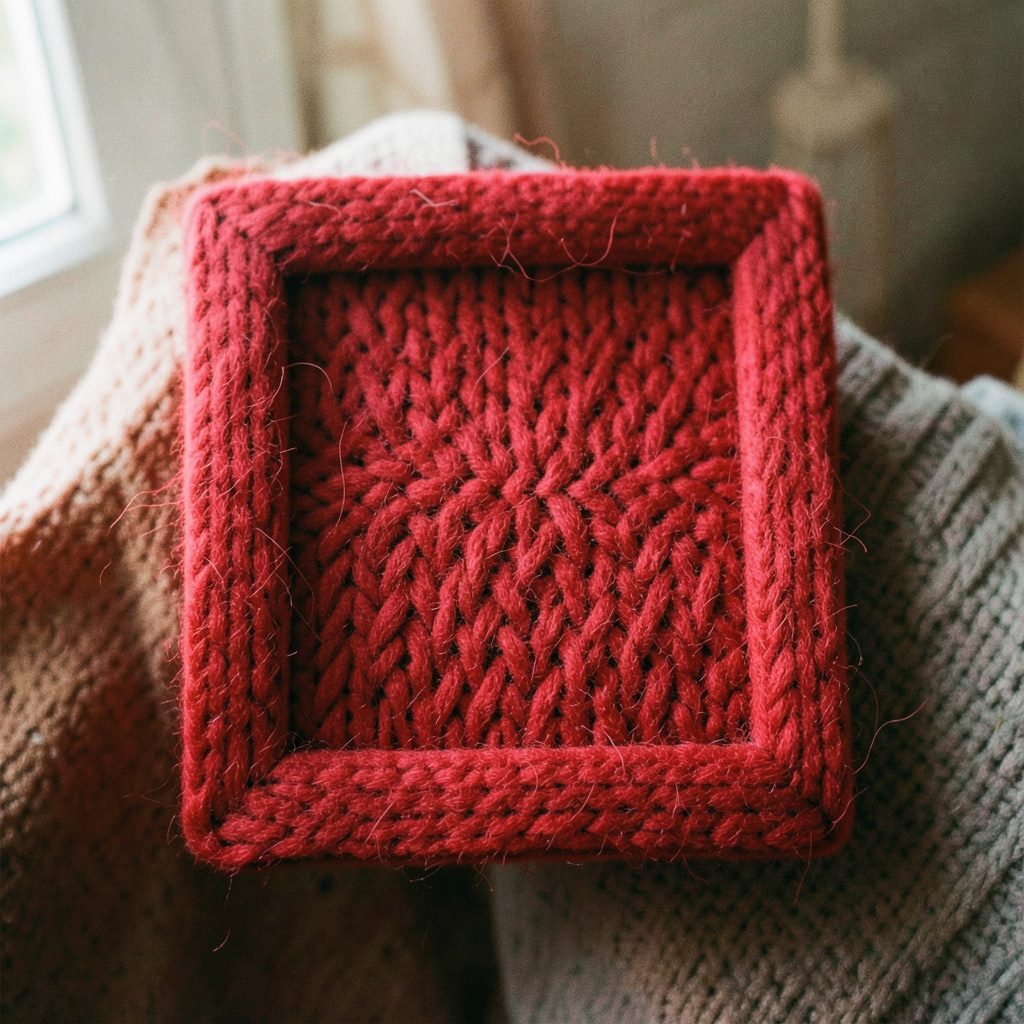
Cashmere Stitch
A versatile straight stitch worked in stepped rows, producing a richly textured surface ideal for backgrounds and large filled areas.
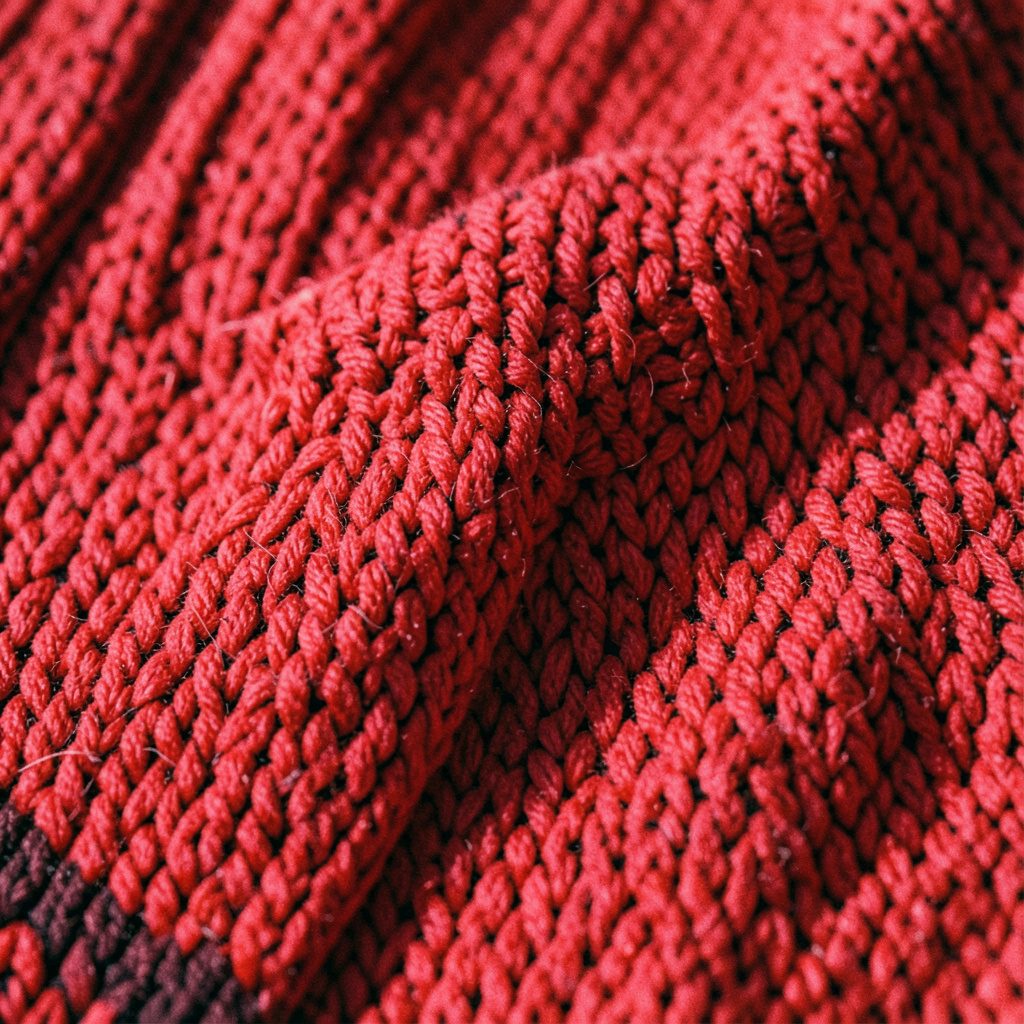
Irregular Continental Stitch
A free-form straight stitch variation that breaks from uniform length, creating a lively, painterly effect across the canvas.
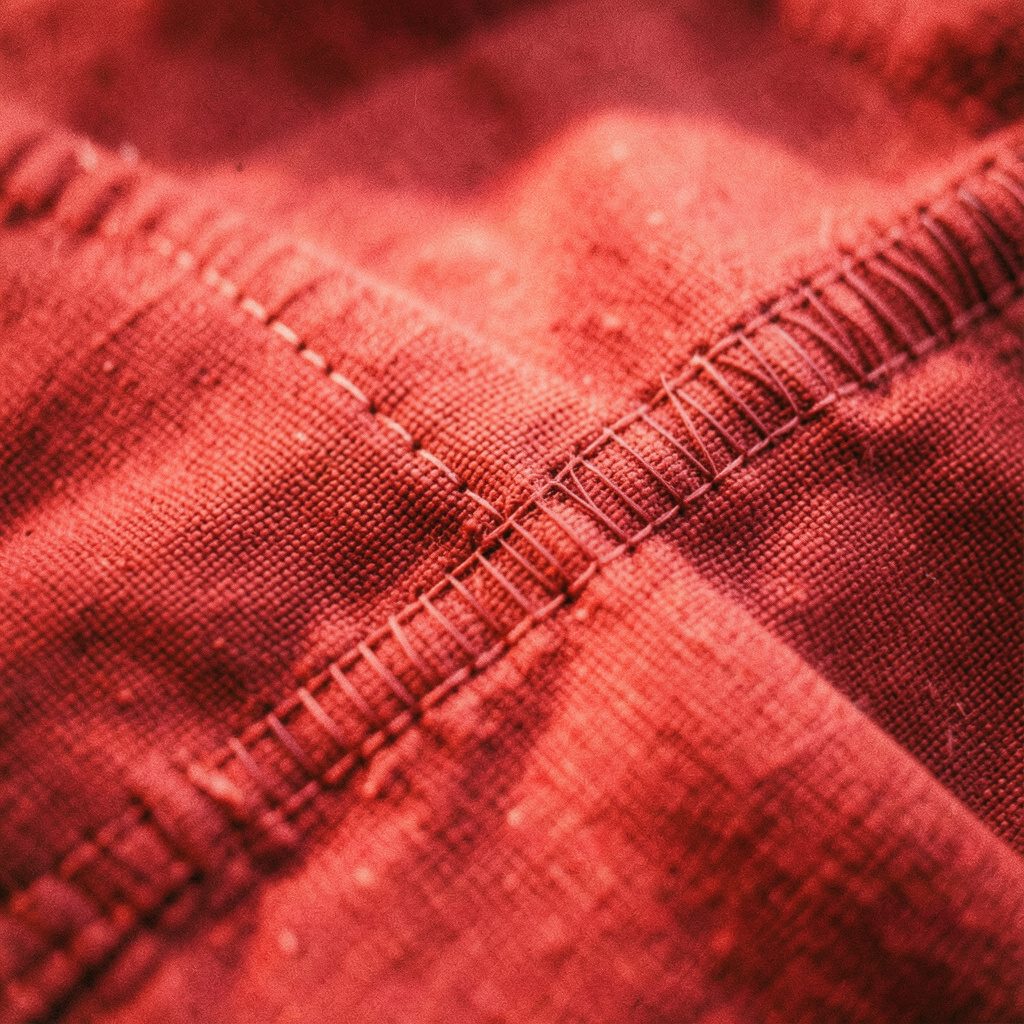
Encroaching Oblique Stitch
Rows of slanted straight stitches that encroach upon one another, delivering excellent coverage and a subtle diagonal texture.
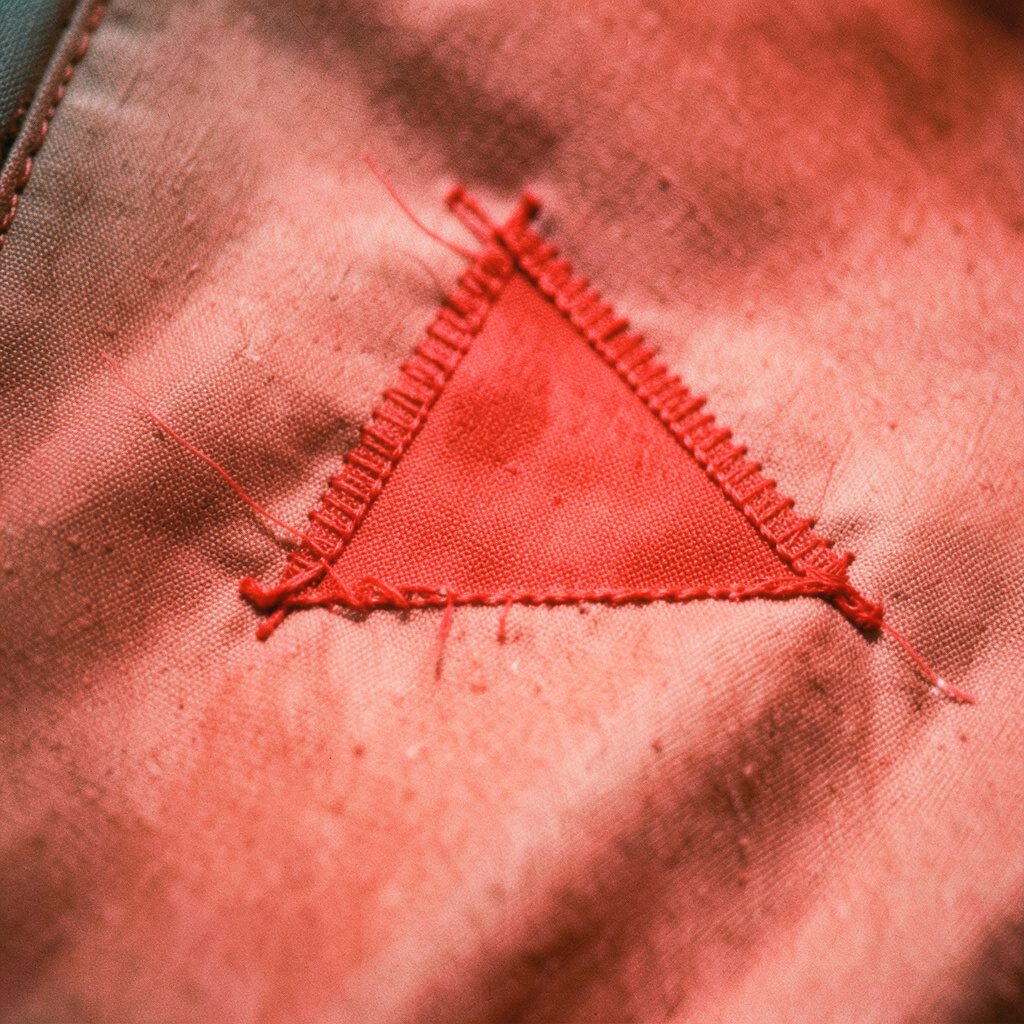
Triangle Ray Stitch
Straight stitches fan out from a central point in triangular formations, creating striking geometric motifs perfect for decorative accents.
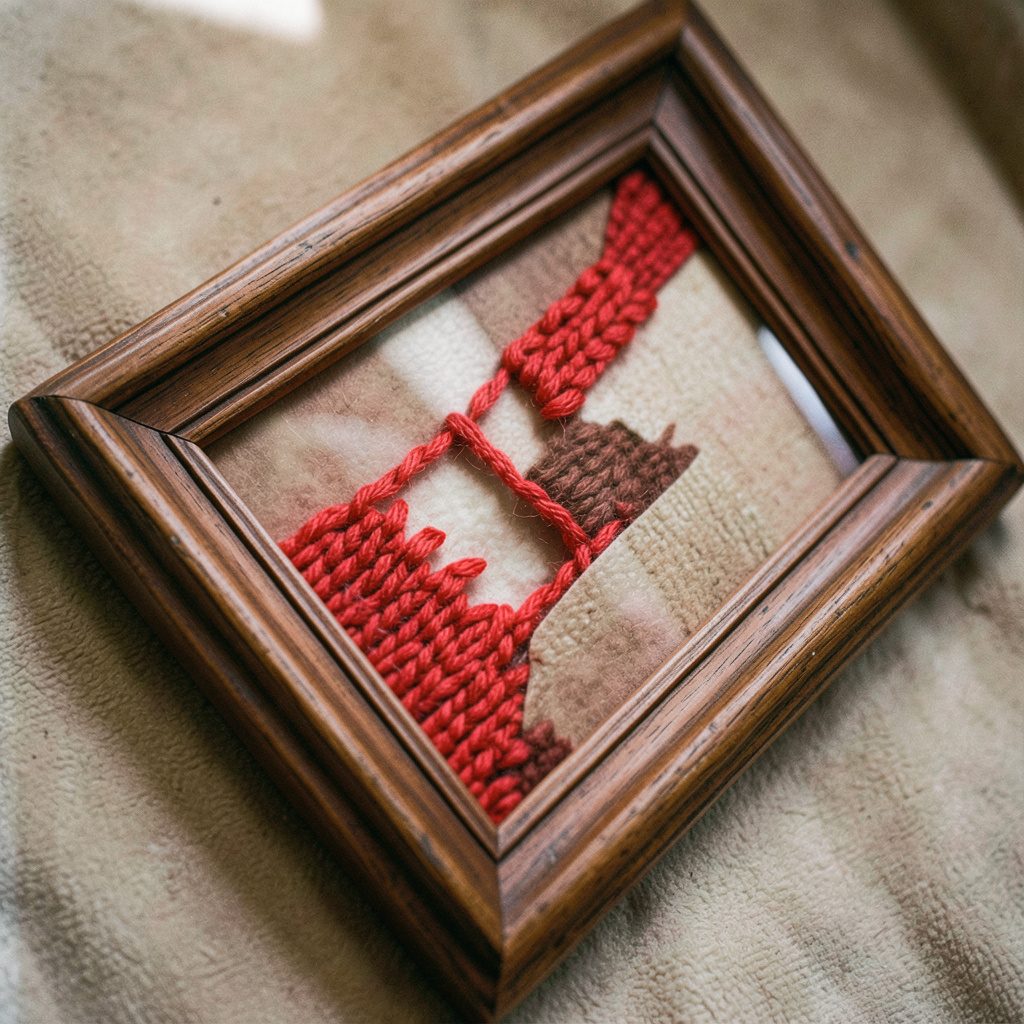
Framed Diagonal Cashmere Stitch
A bordered variation where straight stitches are arranged diagonally within a framing outline, adding structure to textured fills.
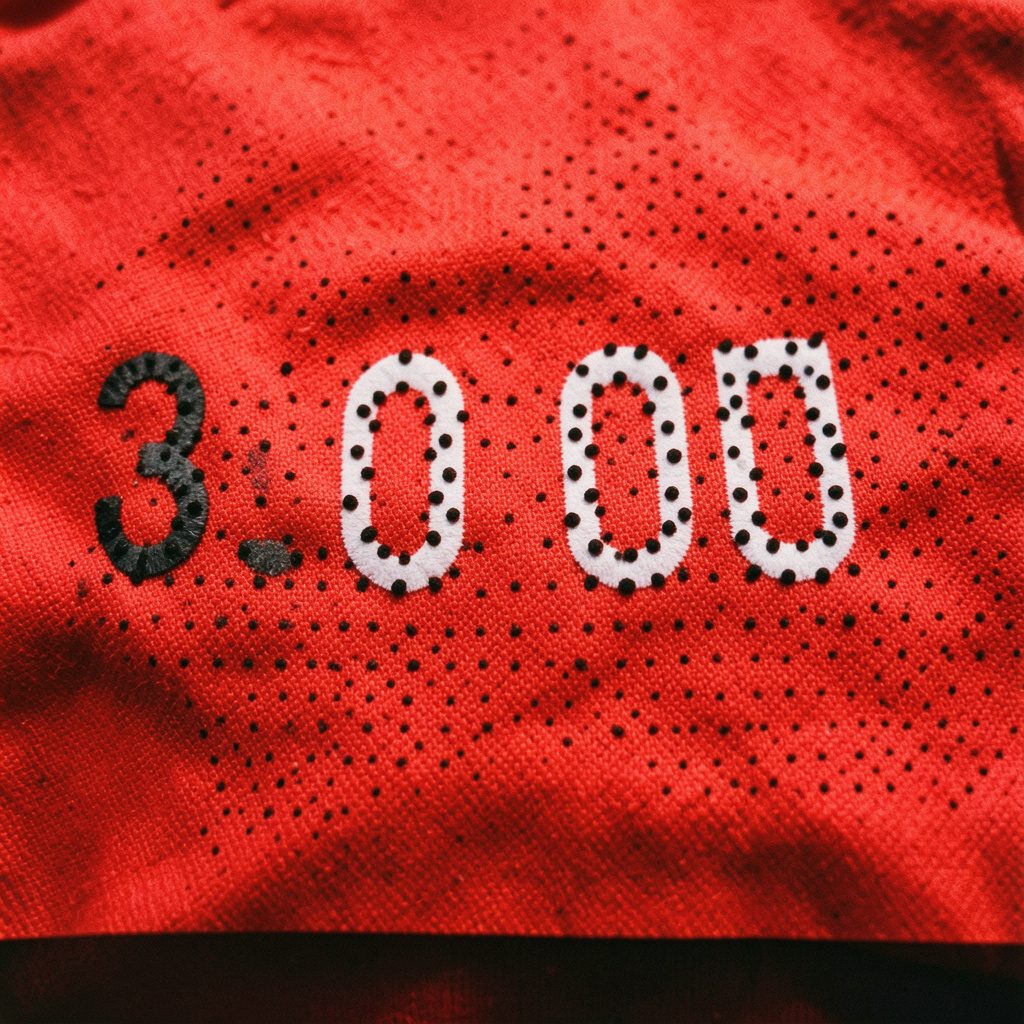
Dotted Scotch Stitch
Short straight stitches grouped in small blocks with deliberate spacing, producing a dotted, rhythmic surface pattern.