Reliable Sources For Royalty-Free Cross-Stitch Charts
Finding a good cross-stitch chart online is easy; finding one that can be used, adapted, or shared lawfully takes more care. A colourful preview image may hide unclear licensing, incomplete symbols, poor chart resolution, or restrictions on selling finished work.
For stitchers in Australia, the best resources combine readable charts with a clear copyright statement. Public-domain archives, Creative Commons collections, specialist needlework libraries, and carefully curated personal websites can all be useful, provided their terms are checked before a project begins.
What Royalty-Free Really Means
“Royalty-free” does not automatically mean copyright-free. It usually means that a user does not pay a separate fee for every use after meeting the licence conditions. A chart may still prohibit commercial redistribution, require attribution, or allow only personal stitching.
Public-domain designs offer broader freedom because copyright has expired or was never applicable. This is common with very old decorative motifs, historical alphabets, folk ornaments, and government-produced material, although the status of a scanned copy or newly redrawn chart can be different from the status of the original artwork.
A free download can also be free in price rather than free in rights. Read the wording beside the file, especially if you want to sell stitched cards, framed pieces, cushions, or digital copies. “For personal use” is narrower than a licence that permits commercial finished goods.
Public-Domain Libraries And Historical Archives
Digital library collections are among the strongest places to look for copyright-expired embroidery motifs. Books published in the nineteenth and early twentieth centuries often include blackwork borders, floral samplers, monograms, geometric ornaments, and counted designs that can be redrawn into modern cross-stitch charts.
Internet Archive, Project Gutenberg, Wikimedia Commons, and national library collections can provide source material. In Australia, Trove is particularly useful for locating old craft books, newspapers, magazines, and pattern pages held by libraries around the country. A scan may not be a ready-to-stitch chart, but it can be a dependable starting point for creating one.
State libraries and museum collections are also worth checking for Aboriginal and regional motifs, though cultural permission is an important consideration. A design being available online does not mean it should be copied or commercialised without respecting community ownership, cultural protocols, or the collection’s reproduction conditions.
Curated Needlework Websites
A specialist website can save time by selecting practical material instead of leaving stitchers to search through thousands of poorly labelled files. Needlework Guide brings together stitch guides, online book resources, charted patterns, and project ideas across cross-stitch, embroidery, needlepoint, crochet, and knitting.
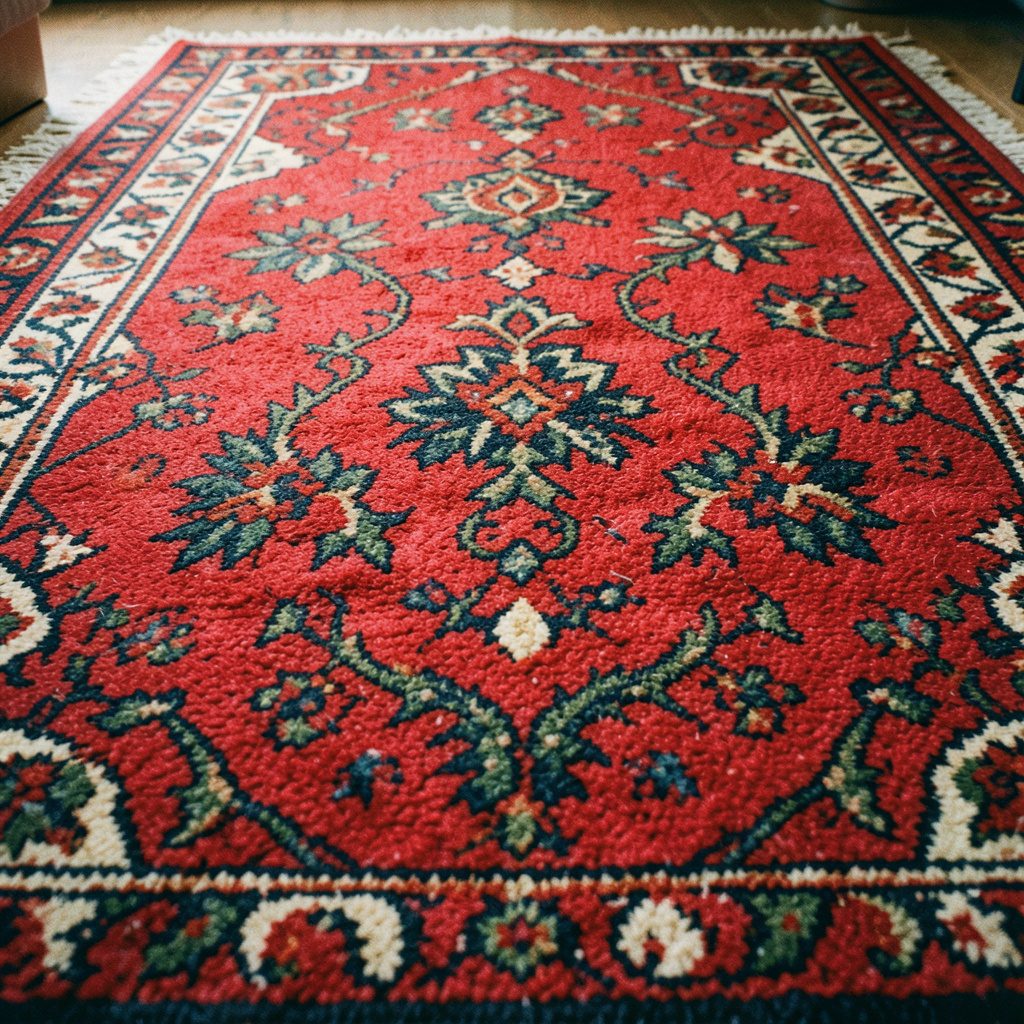
Its value is especially clear when a stitcher wants to move beyond a small sampler. A chart may be adapted for a cushion panel, an eyeglass case, a carpet-style design, or a decorative border. The site’s small rug pattern guide is useful background for thinking about scale, repeated motifs, and how a flat chart behaves when translated into a larger textile project.
Personal resource sites should still be assessed individually. Look for information about the source of each design, the date of publication, permitted uses, and whether the downloadable file is an original chart or a reproduction of someone else’s work.
Signs Of A Dependable Chart
A reliable chart should be more than an attractive thumbnail. It needs symbols that remain distinct when printed in black and white, a visible grid, colour references, and enough resolution to enlarge without the squares becoming blurred. A legend should identify thread colours by a recognised system or clearly describe substitutions.
Pay attention to whether the chart includes fractional stitches, backstitch, French knots, or specialty stitches. These details can change the appearance of a design and affect how easily it can be worked on Aida, evenweave, linen, or waste canvas. A separate stitch explanation, such as this backstitch guide, can help when a cross-stitch chart uses outlines to sharpen small motifs.
A trustworthy source also explains the file format and intended use. A PDF is generally easier to print than a series of tiny image files, while a symbol-only chart may suit stitchers who prefer to choose their own colours. Avoid downloads that require suspicious software, request unnecessary personal details, or hide the licence behind several unrelated pages.
A Practical Screening Checklist
Before downloading, compare the source against a few simple markers. These checks help distinguish a genuinely useful archive from a page that has copied patterns without permission.
- The creator or archive names the original publication, artist, or collection.
- The licence explains personal, educational, sharing, and commercial use.
- The chart includes a symbol key and thread or colour information.
- The file can be printed clearly at the required size.
- The page provides a contact or attribution method where one is needed.
Once a design passes the first review, inspect the actual pattern rather than relying on the preview. A chart that looks crisp on a phone may print too small on an Australian home printer, particularly when symbols are pale or several colours use similar marks.
- Check the stitch count against the stated finished dimensions.
- Confirm whether the design is symmetrical before folding or repeating it.
- Look for missing pages, cropped borders, or unexplained abbreviations.
- Save the licence information with the downloaded file.
- Record any colour substitutions in the project notes.
Australian Copyright And Local Use
Australian stitchers should remember that copyright rules apply even when a file is hosted overseas. Under the Copyright Act 1968, protection periods vary according to the type of work and the circumstances of publication. Older material may be public domain, but a modern redraw, translation, chart conversion, or curated compilation can carry its own rights.
Local selling habits can make the distinction important. A maker might stitch a design for an Etsy listing, a weekend market, an RSPCA fundraiser, or a handmade stall at a country show. The licence should allow the sale of finished items, not merely private use. Selling one cushion is still commercial use if the permission excludes it.
Australian conditions also affect practical sourcing. Postage from overseas pattern shops can cost more than the chart itself, and digital files avoid delays around public holidays or remote delivery. At an op shop, garage sale, or library book sale, an old craft book may be inexpensive, but its publication date and copyright status should be checked before its pages are scanned and uploaded.
Adapting Charts Without Losing Their Rights
A public-domain motif can usually be resized, mirrored, recoloured, or combined with other public-domain elements. A Creative Commons chart may permit some of these changes but require attribution or prohibit commercial derivatives. Keep the original file and licence so that the source remains identifiable after editing.
Changing a few colours does not necessarily create a new independent design. Nor does converting a picture into a grid automatically remove the rights attached to the original image. If a chart is based on a modern illustration, photograph, logo, or character, permission may be needed even when the charting software and conversion work are your own.
For a safer project, build from public-domain ornaments, your own sketches, or clearly licensed geometric elements. Use graph paper or charting software to test repeats, calculate fabric requirements, and check how a motif looks at the intended count before committing to expensive linen or hand-dyed thread.
Building A Useful Pattern Collection
Organise files by source, subject, size, and licence rather than saving everything in a single downloads folder. A simple naming system can include the motif, stitch count, fabric suggestion, and access date. Keep a text note with the original link and permission terms, since websites can change or disappear.
It is also sensible to print a working copy and keep an untouched digital master. Mark completed sections with a pencil or highlighter, but avoid writing over the master chart. For a large design, print tiled pages with overlapping margins and label them before taping them together.
The strongest collection will include several kinds of material: historical motifs for unrestricted inspiration, clearly licensed modern charts, stitch references, and your own original graphs. This gives you flexibility when planning a quick arvo project, a thoughtful handmade gift, or a larger heirloom piece without relying on questionable reposts.